

Guidance, Insights & Tools
Use the filters below to narrow your search

Gap Analysis Tool for Safe IV Push Medication Practices
Identify and manage targeted risks associated with IV push use.
Read more
High-Alert Medication Learning Guides for Consumers
Helps consumers understand how errors happen and the steps necessary to keep them safe.
Read more
Check for Proper Nucala Dose Preparation
If you are using NUCALA (mepolizumab) for patients who have eosinophilic asthma, please check to ensure the correct volume is being dispensed. In a Safety Brief in our June 28, 2018 newsletter, we ...
Read more
A Call to Action: The Case for Medication Safety Officers (MSO)
Detailed information for hospital leadership on the value a Medication Safety Officer can provide.
Read more
Investigational Drugs: Product-Related Issues Pose Significant Challenges (Part I)
An investigational drug is a chemical or biological substance that has been tested in the laboratory and approved by the US Food and Drug Administration (FDA) for testing in people during clinical ...
Read moreSevere Under Dosing of Insulin With U-500 Pen
An emergency department (ED) pharmacist was talking to a patient about his U-500 insulin dose. The patient, who had been using a U-500 insulin pen, told the pharmacist that his dose was 75 units b...
Read more
Medication Safety Self Assessment® for High-Alert Medications
Assess the safety of systems and practices associated with up to 11 categories of medications.
Read moreECRI PSO Deep Dive: Opioid Use in Acute Care
Register now to download the free executive brief Despite the focus on appropriate use of opioids, many hospitals continue to see adverse events in which patients are injured from unintentional ove...
Read moreNAN Alert! Severe Hyperglycemia in Patients Incorrectly Using Insulin Pens at Home
The Institute for Safe Medication Practices (ISMP) National Medication Errors Reporting Program (MERP) has received several reports of patients who failed to remove the inner cover of a standard in...
Read more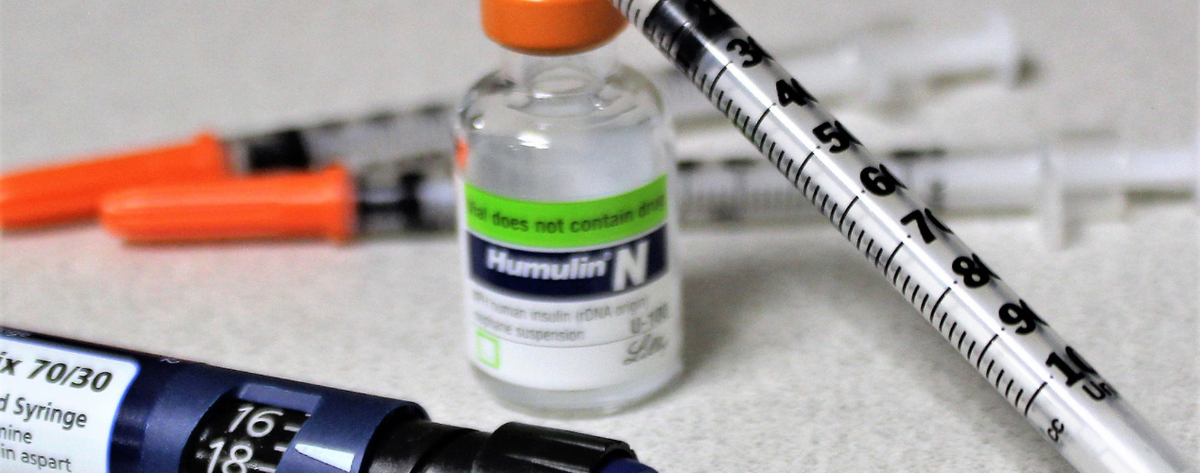
Guidelines for Optimizing Safe Subcutaneous Insulin Use in Adults
Address at-risk behaviors and unsafe practices in the inpatient setting and during transitions of care.
Read more
Medication Safety Self Assessment® for Antithrombotic Therapy
Designed to heighten awareness of safe practices related to the use of antithrombotic agents.
Read moreUsing Information From External Errors to Signal a “Clear and Present Danger”
Chances are you’ve scanned the headlines and read many of the stories about medication errors published in the ISMP Medication Safety Alert!, particularly the tragic errors. Just a few examples of ...
Read moreReporting and Second-Order Problem Solving Can Turn Short-Term Fixes into Long-Term Remedies
Problem: Healthcare practitioners are repeatedly challenged by unexpected problems they encounter due to both large and small work system failures that hinder patient care. A medication needed for ...
Read more

Safe Practice Guidelines for Adult IV Push Medications
Best practice recommendations to standardize safe administration of parenteral IV push medications.
Read moreRoot Cause Analysis Workbook for Community/Ambulatory Pharmacy
A process-driven, system-based approach to investigation of the causes of a sentinel event.
Read moreRaising the Index of Suspicion: Red Flags that Represent Credible Threats to Patient Safety
Disruptive behaviors, intimidation in the workplace, and a culture of disrespect among healthcare professionals have repeatedly surfaced as a significant barrier to patient safety. The hierarchical...
Read moreJust Culture and Its Critical Link to Patient Safety (Part II)
In our May 17, 2012 newsletter, we published Part I of a feature on Just Culture in which we shared key questions to help organizations assess their progress toward creating a Just Culture. We chos...
Read more