

Guidance, Insights & Tools
Use the filters below to narrow your search

Limited regulatory guidance exists for investigational drug labeling, packaging, and nomenclature, exposing sites that participate in clinical trials to many troubling product-related safety risks....
En savoir plusInvestigational Drugs: Product-Related Issues Pose Significant Challenges (Part I)
An investigational drug is a chemical or biological substance that has been tested in the laboratory and approved by the US Food and Drug Administration (FDA) for testing in people during clinical ...
En savoir plusSevere Under Dosing of Insulin With U-500 Pen
An emergency department (ED) pharmacist was talking to a patient about his U-500 insulin dose. The patient, who had been using a U-500 insulin pen, told the pharmacist that his dose was 75 units b...
En savoir plus
Medication Safety Self Assessment® for High-Alert Medications
Assess the safety of systems and practices associated with up to 11 categories of medications.
En savoir plusECRI PSO Deep Dive: Opioid Use in Acute Care
Register now to download the free executive brief Despite the focus on appropriate use of opioids, many hospitals continue to see adverse events in which patients are injured from unintentional ove...
En savoir plusNAN Alert! Severe Hyperglycemia in Patients Incorrectly Using Insulin Pens at Home
The Institute for Safe Medication Practices (ISMP) National Medication Errors Reporting Program (MERP) has received several reports of patients who failed to remove the inner cover of a standard in...
En savoir plus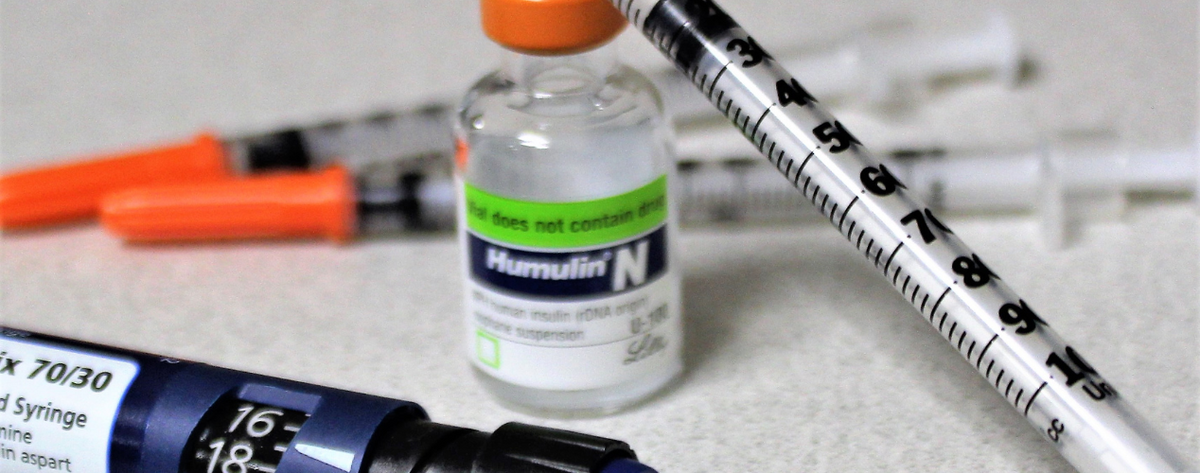
Guidelines for Optimizing Safe Subcutaneous Insulin Use in Adults
Address at-risk behaviors and unsafe practices in the inpatient setting and during transitions of care.
En savoir plus
Medication Safety Self Assessment® for Antithrombotic Therapy
Designed to heighten awareness of safe practices related to the use of antithrombotic agents.
En savoir plusUsing Information From External Errors to Signal a “Clear and Present Danger”
Chances are you’ve scanned the headlines and read many of the stories about medication errors published in the ISMP Medication Safety Alert!, particularly the tragic errors. Just a few examples of ...
En savoir plusECRI PSO Deep Dive: Patient Identification
The risk of wrong-patient errors is ever-present for the multitude of patient encounters occurring daily in healthcare settings. Many patient identification mistakes are caught before care is prov...
En savoir plusReporting and Second-Order Problem Solving Can Turn Short-Term Fixes into Long-Term Remedies
Problem: Healthcare practitioners are repeatedly challenged by unexpected problems they encounter due to both large and small work system failures that hinder patient care. A medication needed for ...
En savoir plusSome medication safety risks are painfully apparent in an organization, while many others lie dormant in the system until an error or adverse event draws attention to them. We thought it would be u...
En savoir plusIt would be an incredibly arduous and a near impossible task to list all the risks associated with medication use that could lead to harmful medication errors. This is often at the heart of wonderi...
En savoir plus
Safe Practice Guidelines for Adult IV Push Medications
Best practice recommendations to standardize safe administration of parenteral IV push medications.
En savoir plusRoot Cause Analysis Workbook for Community/Ambulatory Pharmacy
A process-driven, system-based approach to investigation of the causes of a sentinel event.
En savoir plusRaising the Index of Suspicion: Red Flags that Represent Credible Threats to Patient Safety
Disruptive behaviors, intimidation in the workplace, and a culture of disrespect among healthcare professionals have repeatedly surfaced as a significant barrier to patient safety. The hierarchical...
En savoir plusJust Culture and Its Critical Link to Patient Safety (Part II)
In our May 17, 2012 newsletter, we published Part I of a feature on Just Culture in which we shared key questions to help organizations assess their progress toward creating a Just Culture. We chos...
En savoir plusJust Culture and Its Critical Link to Patient Safety (Part I)
Do you believe your organization operates within a Just Culture? We have asked this question many times while working collaboratively with healthcare organizations and professionals in pursuit of o...
En savoir plus
Medication Safety Self Assessment® for Oncology
Proactively identify opportunities for reducing patient harm from chemotherapeutic agents.
En savoir plus
Medication Safety Self Assessment® for Hospitals
Designed to heighten awareness of distinguishing systems and practices in a safe hospital medication system.
En savoir plusBuilding Patient Safety Skills: Common Pitfalls When Conducting a Root Cause Analysis
Most hospitals are acquainted with the root cause analysis (RCA) process and have conducted numerous RCAs in the past 15 years since The Joint Commission first required its use to investigate senti...
En savoir plus